Deep Strength, Real Support: How to Train Your Transverse Abdominus (TA)
When most people think of the core, they picture six-pack abs or crunches. But the most important abdominal muscle for everyday strength and stability doesn’t show up on magazine covers. It lives beneath the surface, wrapping around your midsection like an internal corset. It’s called the transverse abdominus, or TA, and at SOMA Movement Studio, we consider it the unsung hero of healthy movement.
Let’s explore what the TA is, how it works, and how you can train it to support your body from the inside out.
Anatomy 101: Meet Your TA
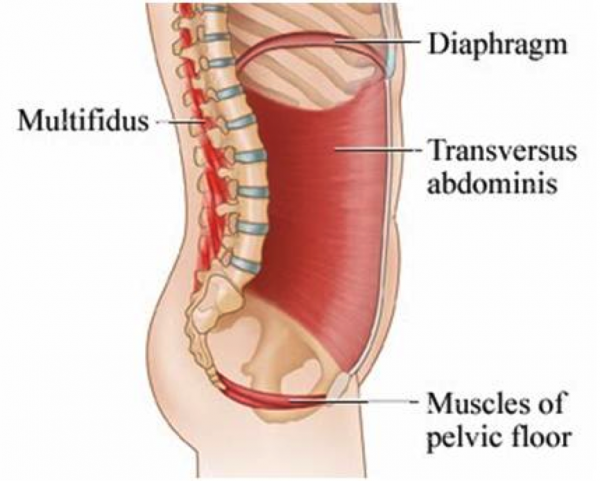
The transverse abdominus is the deepest layer of the abdominal wall. It wraps horizontally around your trunk—from your spine in the back to the front of your belly—almost like a wide weightlifting belt. Its job isn’t to move your spine, but to stabilize it, regulating pressure, posture, and control.
Rather than producing big movements like crunching or twisting, the TA provides quiet, steady support. It draws the abdominal wall inward and prepares the body for action, whether that’s lifting a load, balancing on one leg, or standing up from the floor.
Your Inner Core Team: TA, Pelvic Floor, and Diaphragm
The TA doesn’t act alone. It’s part of your deep core system, which includes the diaphragm above, the pelvic floor below, and the multifidus muscles along your spine. These muscles form a pressure-sensitive cylinder that coordinates breathing and movement.
As you inhale, the diaphragm lowers and the pelvic floor gently expands. As you exhale, the TA draws inward and the pelvic floor lifts. When working well, this system creates stability from all sides—supporting your organs, aligning your spine, and making movement feel fluid and safe.
This coordination between breath and muscle tone is essential not just for performance, but for things like balance, continence, and injury prevention.
When your TA is active and responsive, it works like a built-in back brace—stabilizing your lumbar spine and protecting you during movement. It also enhances breathing. A full exhale naturally engages the TA, allowing for a deeper, more nourishing inhale on the next breath.
This is why you’ll often hear cues in Pilates like, “Exhale through pursed lips,” or “Draw the belly in as you move.” These subtle engagements help create support through the entire torso, especially in dynamic or load-bearing movements.
How to Know if Your TA Needs Attention
If your TA is underused or disconnected, your body will often compensate in ways that create tension or instability. You might notice a persistent lower belly bulge, difficulty with balance or posture, or discomfort in your low back. Some people feel disconnected from their lower core entirely, or notice they’re over-relying on surface-level muscles like the obliques or upper abs. Persistant belly breathing, also known as abdominal breathing is also a sign of TA under-recruitment.
Pilates is an excellent way to bring these patterns into awareness and gently retrain the body toward balance.
How Pilates Trains the TA
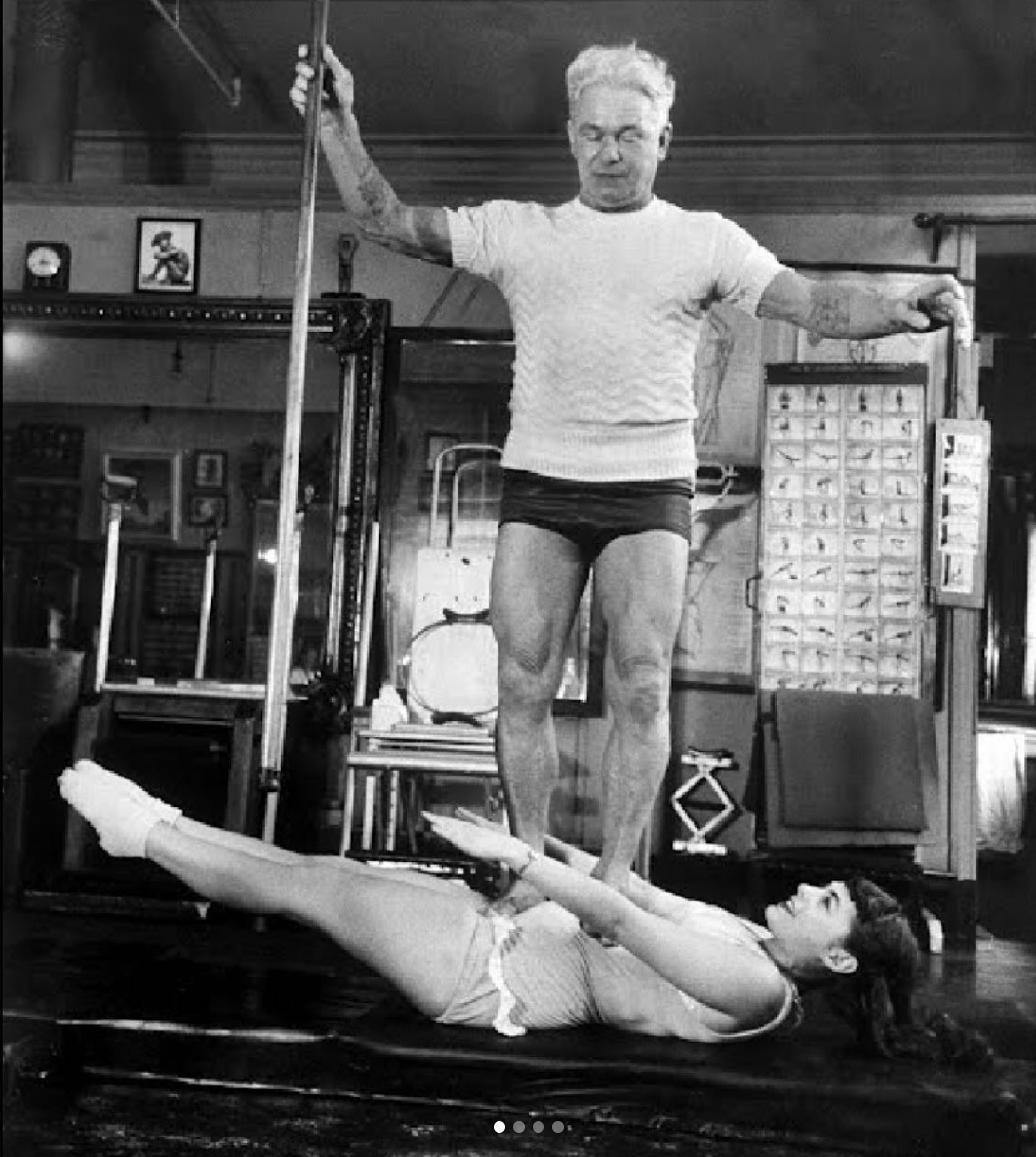
Pilates was built for this kind of work. Many exercises in the method—like The Hundred, pelvic tilts, leg slides, and breath-based core activation—are specifically designed to recruit the TA in coordination with the diaphragm and pelvic floor.
The pace of class is often slower, not because it’s easy, but because it demands more awareness. This allows you to feel when the TA is working and when it's not—and teaches you how to initiate movement from a place of stability, not momentum or tension.
Even seemingly simple movements, when done with precision and breath, can deeply engage the TA and restore core coordination.
The Balloon Trick: An Unexpected Core Trainer
One of our favorite tools at SOMA for teaching TA engagement? A balloon.
Blowing up a balloon requires a deep exhale and proper pressure management—activating the diaphragm, the TA, and the pelvic floor all at once. It’s a simple but powerful way to connect with your core system, especially for those who’ve had injury, surgery, or postpartum recovery.
Try it: Sit tall, take a breath in, and blow steadily into a balloon. You’ll feel your deep abdominals kick in without needing to brace or grip. That’s your TA coming online.
Small Muscle, Big Results
Training the TA isn’t flashy—but it is foundational. When you build strength from the inside out, your body moves with more ease, breath with more depth, and strength with more intention.
At SOMA, we believe in teaching clients how to access the layers of the core that matter most—not for aesthetics, but for function, freedom, and longevity.
Ready to rediscover your deep core? Join us in the studio and feel the difference of real support.